
What is periodontal therapy?
When we think about maintaining our oral health, the first thing that comes to mind is caring about our teeth to prevent caries. While most people know the dangers of tooth cavities, they don’t usually consider the importance of gum health. Our gums are equally important in maintaining our oral and overall health. They can be affected by many disorders, which, when left untreated, can cause severe health problems.
Periodontal therapy is an umbrella term for several treatment procedures for gum diseases. These treatments will help restore your gum health and will help prevent tooth loss. You can get surgical and non-surgical treatments depending on your needs and your dentist’s advice.
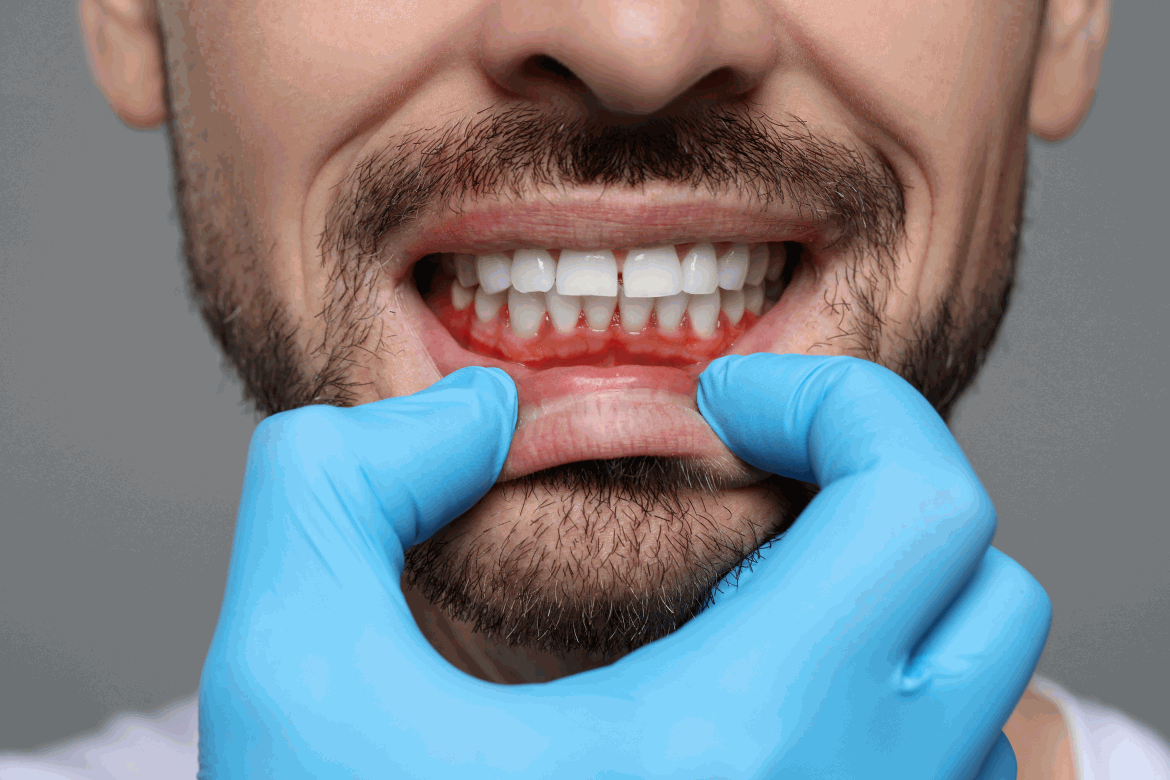
Why should you get periodontal therapy?
Gingivitis is a gum inflammation in the early stages of periodontal disease. You can reverse it by incorporating lifestyle changes like reducing tobacco usage, limiting sugary foods in your diet, and an effective oral hygiene routine. Engaging in preventive dentistry practices can play a crucial role in stopping the progression of gingivitis.
However, periodontitis, a more severe and aggressive form of periodontal disease, can wreak havoc on your oral and overall health.
- The bacteria causing plaque in your teeth can destroy your gum tissues and cause it to pull back from the teeth, thus loosening your teeth.
- The bacteria can even affect and erode the bone underneath your gums, resulting in your tooth falling out.
- The bacteria causing gum inflammation can also travel to other body parts through the bloodstream, increasing the risk of stroke and heart disease.
Risk factors for periodontal disease
According to the American Academy of Periodontology, there could be multiple risk factors for periodontal disease:
- Advanced age
- Smoking and tobacco usage
- Genetic predisposition
- High levels of stress
- Some medications, such as oral contraceptives and anti-depressants
- Clenching or grinding your teeth
- Poor nutrition and obesity
Signs of periodontal disease
Although periodontal disease usually does not show symptoms, you can still look for signs that might suggest a problem:
- Bad breath or taste in your mouth
- Red and swollen gums
- Bleeding and receding gums
- Formation of pockets between your teeth and gums
- Loose teeth
- Teeth that have shifted from where their original position
What are the different types of periodontal therapies?
Periodontal therapy can be surgical or non-surgical. Depending on the severity of your problem, your dentist will recommend surgical or non-surgical treatments.
Surgical periodontal therapy includes:
- Administration of Localized Antibodies to Target Infections
- Soft Tissue Biopsy and Gum Disease Evaluation
- Periodontal Maintenance
- Deep Cleaning of Gums
- Bite Adjustments
- Utilize Periodontal Appliance
- Laser gum treatment
Non-surgical periodontal therapy includes:
- Bone Graft Surgery
- Dental Implants
- Pocket Reduction Surgery
- Crown Lengthening
- Bone Re-Contouring
- Ridge Augmentation
- Soft Tissue Grafts
Why choose D’Arcy Dental?
Periodontal disease often shows no symptoms, even in the advanced stages.
Also, it can have multiple risk factors that can sometimes be beyond your control.
That is why seeing a dentist or a dental hygienist to look for signs of periodontal disease is essential.
Our team of dental professionals at D’Arcy Dental consists of expert dentists and hygienists who will guide you through gum disease treatment.
If you are looking for periodontal therapy near you, then look no further.
With an array of treatment options and procedures, we will bring back your pink, healthy gums.
Frequently Asked Questions
What is periodontal therapy?
How does laser periodontal therapy work?
What is the cost of getting periodontal therapy in Okotoks?


Ready To Meet Your New Dental Family?
Book your appointment or give us a call!
Hours of Operation
Wednesday: 11 Am – 7 Pm
Thursday: Closed
Friday: 9 Am – 5 Pm
Saturday: 9 Am – 5 Pm
Sunday: Closed
Address
Dental EMERGENCY?
Immediate Appointments Available
Call / Text Us 587-200-9090

