
Dental Implant Aftercare Tips for Faster Recovery
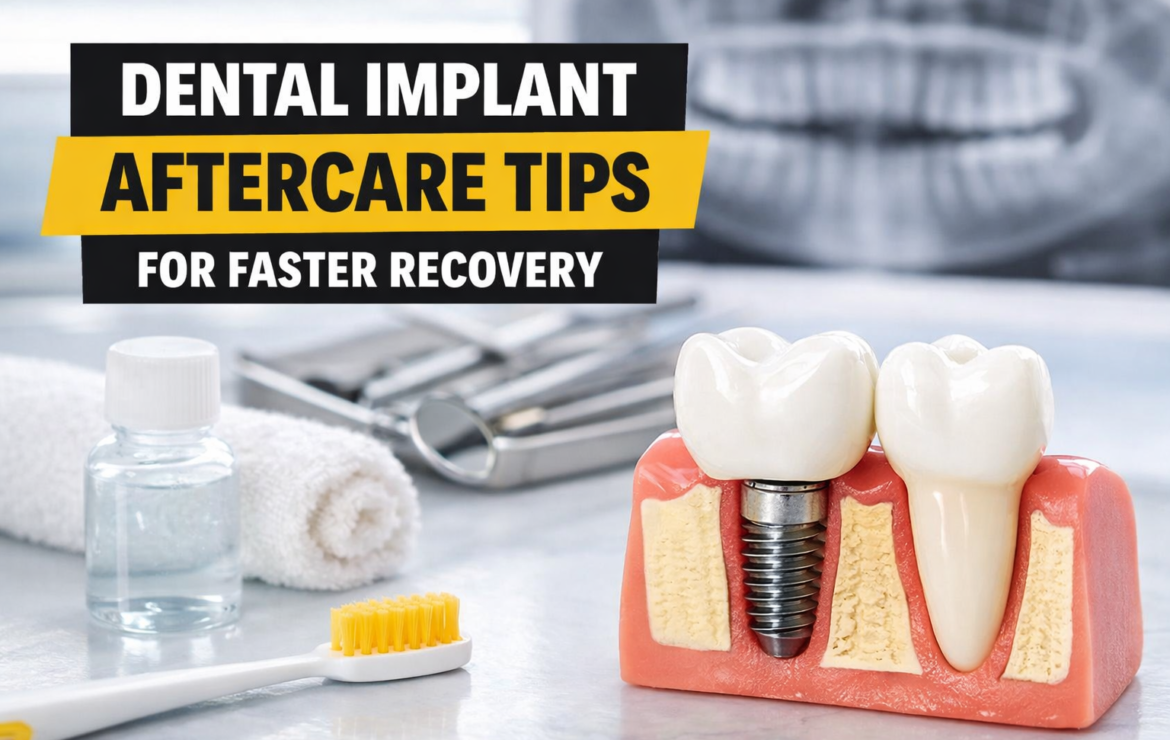
Dental Implant Aftercare Tips for Faster Recovery

Deciding to get dental implants is a life-changing move.
Whether you’re replacing a single missing tooth or looking for a more stable alternative to a traditional bridge, you’ve invested time and resources into restoring your smile.
At D’Arcy Dental, we see first-hand how much confidence a full set of teeth can restore.
However, the surgery itself is only the first half of the journey.
The second—and most critical—half happens at home.
The success of dental implants relies heavily on a process called osseointegration, where your jawbone literally fuses with the titanium post.
Here is everything you need to know about recovering quickly and keeping your new smile in top shape.
What to Expect After Dental Implant Surgery
When the local anesthesia wears off, it is normal to feel some tenderness.
You might experience minor swelling around the gums and some bruising on your cheek or neck.
In the first 24 to 48 hours, you may notice:
- Slow oozing of blood near the surgical site.
- A “full” or tight feeling in the jaw.
- A slight “pins and needles” sensation as the nerves wake back up.
Quick Recovery Checklist
To make the first few days easier, keep these items ready before you head in for your appointment:
- Ice packs: Essential for managing swelling during the first 48 hours.
- Gauze pads: To manage any minor bleeding.
- Soft foods: Stock your pantry with yogurt, applesauce, and protein shakes.
- Salt: For gentle warm-water rinses.
- Pain medication: Have your prescribed or over-the-counter options ready as directed by your dentist.
Dental Implant Aftercare Tips for Faster Healing
- Don’t disturb the site: It’s tempting to feel the new implant with your tongue or finger, but leave it alone. Movement can disrupt the early stages of healing.
- Manage swelling rarely: Apply an ice pack to the side of your face in 20-minute intervals. This is most effective in the first two days.
- Rest is non-negotiable: You might feel fine, but your body is working hard internally, so plan for a minimum of two or three days of rest.
Diet Tips After Dental Implants
What you eat (and how you eat it) can make or break your recovery.
In the first week, focus on a “no-chew” diet.
- Avoid straws: This is the most important rule. The suction from a straw can dislodge the blood clot that is forming over the surgical site, leading to a painful condition called dry socket.
- Temperature matters: Avoid piping hot coffee or soup for the first few days, as heat can increase swelling and bleeding.
- Nutrient-dense soft foods: Mashed avocados, scrambled eggs, hummus, and lukewarm soups provide the vitamins your body needs to repair tissue without requiring you to bite down.
Oral Hygiene Tips to Prevent Infection
Keeping your mouth clean is vital, but you have to be gentle.
You cannot brush the surgical site directly for the first few days, but you shouldn’t ignore the rest of your mouth.
- Saltwater rinses: Starting 24 hours after surgery, mix half a teaspoon of salt in a glass of warm water. Gently swirl it around your mouth and let it fall out into the sink—don’t spit forcefully.
- Gentle brushing: Use a soft-bristled toothbrush on your other teeth, but stay clear of the implant area until your dentist gives the green light.
- Avoid mouthwash: Unless specifically prescribed, avoid commercial mouthwashes containing alcohol, as they can irritate the healing tissue.
Activity & Lifestyle Restrictions
Physical exertion increases your heart rate and blood pressure, which can lead to throbbing and renewed bleeding at the implant site.
Stick to light walks for the first week.
Also, if you smoke, this is the time to stop.
Because smoking cuts off the vital circulation your gums need to repair themselves, it remains one of the biggest threats to a successful implant.
Many clinics will even decline to perform the procedure if a patient cannot commit to pausing tobacco use during the healing phase.
Common Mistakes to Avoid After Dental Implants
- Skipping meds: Even if you don’t feel “extreme” pain, take your prescribed anti-inflammatories on schedule to stay ahead of the discomfort.
- Prodding with the tongue: This can move the implant post ever so slightly, preventing it from fusing with the bone.
- Hard foods too soon: Just because the surface looks healed doesn’t mean the bone is ready. Avoid nuts, chips, and crusty bread for several weeks.
- Skipping follow-up appointments: Don’t skip follow-up appointments with your dentist, as they are essential to monitor your healing.
Special Care Tips for Seniors
For our older patients, dental implants for seniors are a fantastic way to maintain nutrition and jawbone health.
However, the healing process might be slightly slower.
- Review your meds: Ensure your dentist knows about any blood thinners or bone density medications you are taking. Inform your dentist about any chronic disorders like diabetes or hypertension.
- Hydration: Seniors are more prone to dry mouth, which can harbor bacteria. Drink plenty of water (without a straw!) to keep the mouth moist and clean.
When to Visit an Emergency Dental Clinic
While some discomfort is normal, you should know when to seek professional help.
If you experience any of the following, contact an emergency dental clinic immediately:
- Uncontrollable bleeding that doesn’t stop with pressure.
- A fever or a foul taste in your mouth (signs of infection).
- The implant feels loose or shifts when you move your jaw.
- Severe pain that isn’t managed by medication.
Sometimes, issues that feel like they need an implant—such as a deep cavity—might actually be salvageable through root canal treatment.
Our team always explores every option to save your natural teeth before moving to extraction.
Cost & Value Insight
Understanding dental implant cost helps put the investment into perspective.
In Canada, a single implant typically ranges from $3,000 to $6,000, while full-arch restorations (like All-on-4) can cost between $15,000 and $30,000 per arch.
If you require additional procedures like bone grafting, expect an extra $500 to $3,000.
While the upfront price is higher than that of a bridge or traditional dentures, the long-term value is unmatched.
Unlike a bridge, which may need replacement every 10 to 15 years and requires the grinding down of healthy adjacent teeth, a well-cared-for implant can last a lifetime.
For those looking for affordable dental implants, we recommend looking at the “cost per year” over the life of the restoration.
When you choose dental implants in Okotoks at D’Arcy Dental, you are investing in a solution that prevents bone loss and keeps your surrounding teeth healthy.
Follow-Up Care & Long-Term Maintenance
Once the initial healing phase is over, treat your implant like a natural tooth.
Regular flossing and professional cleanings are essential.
Even though the implant can’t get a cavity, the gums around it can still develop “peri-implantitis,” which is similar to gum disease.
Keeping your scheduled follow-up appointments allows us to monitor the health of the bone and soft tissue.
Conclusion
By following these aftercare steps, you ensure that your dental implants remain a permanent, beautiful part of your life.
Ready to restore your smile or have questions about your recovery?
Contact D’Arcy Dental today to schedule your consultation or follow-up.
Our team is dedicated to providing high-quality care right here in Okotoks.
FAQs
How long does it take to heal after dental implants?
The surface of the gums usually heals within 10 to 14 days. However, the internal process where the bone fuses to the implant (osseointegration) takes between 3 and 6 months.
Can I eat normally after dental implant surgery?
Not immediately. You should stick to soft, no-chew foods for the first week. You can gradually reintroduce solid foods as your comfort allows, but avoid very hard or crunchy foods on the implant site for several months.
Are dental implants painful after surgery?
Most patients describe the feeling as similar to a tooth extraction. It is more of a dull ache or pressure than a sharp pain and is usually well-managed with standard pain relief medication.
What foods should I avoid after dental implants?
Avoid popcorn (the hulls can get stuck), seeds, nuts, hard candies, and very spicy foods that can irritate the surgical site.
When can I return to work after dental implants?
Usually, you can return to work within 2 to 3 days. If your job involves heavy physical labor, you may want to wait 5 to 7 days to avoid any complications from increased blood pressure.

