Teeth Whitening at Home vs Dentist: Which Method Works Best

Teeth Whitening at Home vs Dentist: Which Method Works Best

Effective Teeth Whitening Options and Tips for a Brighter Smile
- Teeth whitening lightens natural teeth, removes stains, and enhances your smile.
- At-home methods like whitening toothpaste, strips, and trays are convenient and budget-friendly but may give uneven or short-term results.
- Professional whitening at the dentist delivers faster, safer, and longer-lasting results with customized care.
- Proper first-aid and guidance reduce risks of gum irritation, enamel damage, or sensitivity.
- Maintaining results includes good oral hygiene, limiting staining foods and drinks, and regular dental check-ups.
- D’Arcy Dental in Okotoks offers expert teeth whitening services to help patients achieve brighter, confident smiles.
Introduction
A confident smile often starts with bright, healthy-looking teeth. Over time, however, habits like drinking coffee, tea, or wine—and even the natural aging process—can dull their appearance. Many patients wonder: should you try whitening at home or visit a dentist for professional care? This guide breaks down both approaches so you can make the choice that’s best for your smile.
What is Teeth Whitening?
Teeth whitening is a cosmetic dental procedure that lightens the color of natural teeth, removes stains and discoloration, and enhances the brightness of your smile. The process can be performed professionally in a dental office or with at-home kits, with professional treatments offering faster and more dramatic results. Teeth whitening is one of the most popular cosmetic dental treatments, known for boosting self-confidence, improving first impressions, and encouraging better oral hygiene habits. Results vary depending on lifestyle choices and maintenance, but professional whitening can safely transform the look of your teeth in just one visit.
At-Home Teeth Whitening
Common At-Home Methods
- Whitening Toothpaste and Mouthwash – These products contain mild abrasives or low-strength bleaching agents. They help reduce surface stains but do not change the natural tooth color.
- Whitening Strips and Gels – Thin, flexible strips coated with peroxide gel are applied to the teeth for a set period, usually 30 minutes daily over one to two weeks.
- Over-the-Counter Whitening Trays – Generic trays filled with bleaching gel that you wear for a few hours each day. The fit is not customized, which can sometimes cause uneven results or gum irritation.
Advantages
- Convenience: You can do them in the comfort of your home without scheduling appointments.
- Affordability: Most at-home kits are more affordable than professional treatments.
- Variety: From toothpaste to LED kits, there are multiple options to suit different preferences.
- Accessibility: Easily available at drugstores, supermarkets, or online without a prescription.
Disadvantages
- Whitening is often patchy, particularly on teeth with more severe stains.
- Lower concentration means less noticeable changes compared to professional care.
- Excessive use of whitening strips or gels may wear down enamel and lead to gum irritation.
- Most at-home results fade within a few months, especially if you consume staining foods or drinks.
Professional Teeth Whitening at the Dentist
What It Involves
A dentist carefully supervises the whitening process when it’s performed in the clinic. The process usually follows these steps:
- Initial dental exam: Your dentist will first evaluate your oral health to make sure whitening can be done safely.
- Protecting soft tissues: A protective barrier or gel is applied to your gums and lips to avoid irritation from the bleaching solution.
- Application of whitening gel: A high-concentration peroxide gel is carefully applied to the surface of your teeth.
- Activation (optional): In some cases, a special light or laser is used to enhance the gel’s effectiveness.
- Final rinse and fluoride treatment: The gel is rinsed off, and fluoride may be applied to reduce sensitivity.
Advantages
- Fast results: Noticeable improvement after just one session.
- Even whitening: Customized care ensures that all visible teeth are whitened consistently.
- Stronger whitening agents: Professional-grade gels can lift deeper stains that at-home products can’t.
- Safe and supervised: Having a dentist guide the process ensures safer results and protects your gums and enamel.
- Longer-lasting: Results can remain for up to two years with proper care.
- Tailored options: Dentists can adjust treatment strength for patients with sensitive teeth.
Disadvantages
- Professional whitening is more expensive than at-home methods.
- Some patients may experience sensitivity for a few days.
- In cases of heavy staining, more than one appointment may be required.
- Lifestyle choices like smoking or drinking coffee can reduce the longevity of results.
Results and Longevity
The results of teeth whitening vary depending on the method you choose and your lifestyle habits. Professional whitening typically delivers brighter and longer-lasting outcomes, often lasting up to a year or more with good care. At-home products can still lighten your teeth, but the effects usually fade faster, especially if you regularly consume coffee, tea, red wine, or tobacco.
Safety and Risks
When used correctly, both methods are generally safe. However, at-home kits pose a greater risk of gum irritation, uneven whitening, or enamel damage if misused. Professional whitening reduces these risks because your dentist tailors the treatment to your mouth.
According to the Canadian Dental Association, whitening products containing peroxide should only be used under professional guidance if you have sensitive teeth or existing dental work.
Which Method Works Best?
If you’re looking for quick, safe, and dramatic results, professional teeth whitening treatment is usually the best choice. At-home methods can still work for mild stains or as a budget-friendly option, but are less effective for deeper discoloration.
Tips to Maintain White Teeth After Whitening
- Brush twice daily with a fluoride toothpaste.
- Limit coffee, tea, red wine, and foods that stain teeth.
- Rinse your mouth after meals.
- Schedule routine cleanings and dental exams in Canada at least twice a year.
- Consider touch-up treatments recommended by your dentist.
Conclusion
Teeth whitening is one of the easiest ways to boost your confidence. While at-home options are affordable and convenient, professional whitening offers safer, faster, and longer-lasting results.
At D’Arcy Dental, we help patients achieve brighter, healthier smiles with personalized whitening options and expert guidance. Whether you’re considering whitening, exploring options like invisible brace treatments, or need a routine check-up, our team is here to help.
If you’re searching for teeth whitening near you or looking for trusted dental care in Okotoks, book an appointment with D’Arcy Dental today.
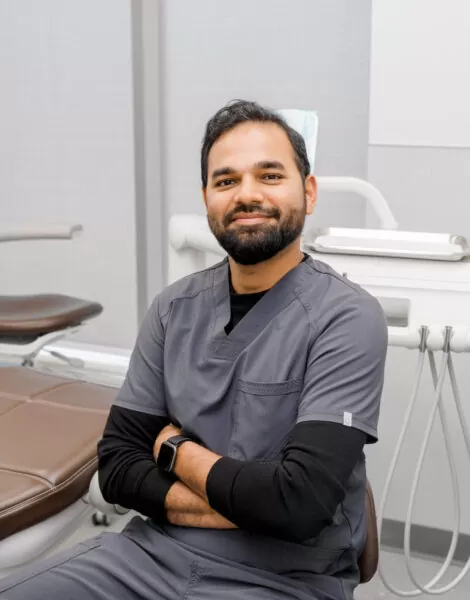
Dr. Tejas Patel
Dental Specialist
Dr. Tejas Patel is a passionate dentist dedicated to providing patient-focused care with a gentle approach. A dentistry graduate of 2012, he has been practicing in Calgary since 2017 and offers treatments including crowns, root canals, extractions, bone grafting, and TMD care. He is known for his empathetic nature and focus on educating patients for long-term oral health.
Related posts