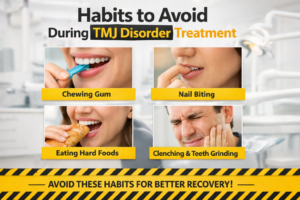
Is TMJ Disorder Genetic? Causes, Symptoms, and Effective Treatment Options

Is TMJ Disorder Genetic? Causes, Symptoms, and Effective Treatment Options

TMJ Disorder: Genetics, Causes, Symptoms & Treatments
- TMJ disorder causes jaw pain and affects eating, speaking, and daily life.
- Genetics can increase TMJ risk, but they are not the only cause.
- Trauma, stress, grinding, arthritis, and bite issues contribute to TMD.
- Common symptoms include jaw pain, clicking sounds, and headaches.
- Treatments range from therapy and splints to injections or surgery.
- Early diagnosis and lifestyle changes help manage TMJ effectively.
TMJ disorder, also known as temporomandibular joint disorder (TMD), is a common condition that affects millions of people worldwide. It can lead to significant discomfort and pain in the jaw, impacting daily activities such as eating and speaking. Understanding whether TMJ disorder is genetic, its causes, symptoms, and effective treatment options is crucial for those affected by this condition.
Is TMJ Disorder Genetic?
Research indicates that genetics may play a role in the development of TMJ disorders. Certain genetic variations have been linked to an increased risk of experiencing TMJ symptoms. For instance, studies have identified specific gene variants that correlate with heightened pain associated with TMD. However, it is essential to note that while genetics may contribute to TMJ disorders, they are not the sole factor. Other influences such as environmental factors, lifestyle choices, and physical injuries also play significant roles in the onset of this condition.
Genetic Factors
Several studies suggest a hereditary component to TMJ disorders. For example, a large twin study indicated that TMD pain could be about 27% heritable. This suggests that if someone in your family has experienced TMJ issues, you might be at a higher risk as well. Moreover, the positioning of the jaw and teeth—which can affect bite alignment—has been shown to have genetic underpinnings. If an individual’s dental structure is inherited in a way that predisposes them to misalignment, they may be more susceptible to developing TMJ disorders.
Other Contributing Factors
In addition to genetic predisposition, other factors contributing to TMJ disorders include:
– Injury or trauma: Direct injury to the jaw can lead to dysfunction.
– Teeth grinding (bruxism): This often occurs during sleep and can strain the jaw muscles.
– Stress: High stress levels can lead to muscle tension and jaw clenching.
– Arthritis: Conditions like osteoarthritis or rheumatoid arthritis can affect the jaw joints.
Symptoms of TMJ Disorder
The symptoms of TMJ disorder can vary widely among individuals but commonly include:
– Jaw pain: Discomfort in the jaw joint or surrounding muscles.
– Difficulty chewing: Pain or discomfort while biting or chewing food.
– Clicking or popping sounds: Noises when opening or closing the mouth.
– Facial pain: Discomfort that may radiate into the face or neck.
– Headaches: Frequent headaches or migraines can occur due to tension in the jaw muscles.
Recognizing these symptoms early on is vital for effective management and treatment[5].
Effective Treatment Options
If you suspect you have a TMJ disorder, seeking assistance from a TMJ specialist or a TMJ dentist is crucial. These professionals are trained to diagnose and treat TMD effectively. Here are some common treatment options available:
Non-Invasive Treatments
- Physical Therapy: Exercises designed to strengthen jaw muscles and improve flexibility.
- Heat/Cold Therapy: Applying heat or cold packs can reduce pain and inflammation.
- Medications: Over-the-counter pain relievers such as ibuprofen or prescription medications may help alleviate discomfort.
Dental Interventions
- Splints or Night Guards: Custom dental appliances can help prevent teeth grinding and relieve pressure on the jaw.
- Orthodontics: Correcting bite alignment through braces or other orthodontic treatments may be necessary for some patients.
Advanced Treatment Options
For more severe cases, treatments performed by a TMJ specialist near me may include:
– Injections: Corticosteroid injections into the joint can reduce inflammation.
– Surgery: In rare cases where conservative treatments fail, surgical options may be considered.
Lifestyle Modifications
Incorporating lifestyle changes can also aid in managing TMJ disorders:
– Stress Management Techniques: Practices such as yoga and meditation can help reduce overall stress levels.
– Dietary Adjustments: Eating softer foods can minimize strain on the jaw.
Conclusion
Understanding whether TMJ disorder is genetic involves recognizing a complex interplay of genetic predisposition and environmental factors. While genetics may contribute to an individual’s risk of developing TMD, lifestyle choices and other external factors are equally important. If you experience symptoms of TMJ disorder, consulting with a qualified dentist in Okotoks, a TMJ specialist, or a TMJ dentist can lead you towards effective treatment options tailored to your needs. Don’t let TMJ discomfort hinder your quality of life; proactive management is key to finding relief.
Dr. Tejas Patel
Dental Specialist
Dr. Tejas Patel is a passionate dentist dedicated to providing patient-focused care with a gentle approach. A dentistry graduate of 2012, he has been practicing in Calgary since 2017 and offers treatments including crowns, root canals, extractions, bone grafting, and TMD care. He is known for his empathetic nature and focus on educating patients for long-term oral health.
Related posts