Dos and Don’ts You Must Follow After Root Canal Treatment

Dos and Don’ts You Must Follow After Root Canal Treatment

Root Canal Treatment: Essential Dos & Don’ts
- Root canal treatment relieves pain and saves your natural tooth.
- The procedure cleans, disinfects, and seals infected tooth pulp.
- Modern anesthesia makes root canal therapy comfortable and safe.
- Proper aftercare supports healing and prevents reinfection.
- Follow dos and don’ts to protect the treated tooth and reduce pain.
- Seek your dentist if pain, swelling, or complications occur.
Many people think a root canal is a painful process, but in reality, it’s a pain-relieving one. Thanks to modern dental technology and numbing options, it’s a relatively pain-free treatment that can prevent the need for extraction.
Knowing how the procedure works can reduce worry and help you feel more prepared.
How you care for your tooth afterward is vital in ensuring a smooth recovery and long-term success. By following the correct aftercare steps and avoiding common mistakes, you can heal faster and prevent complications.
What is a root canal treatment?
Root canal therapy involves treating the infected pulp; the soft tissue inside the tooth; by carefully cleaning and sealing it.
Inside your tooth, the pulp houses tiny nerves and blood vessels that keep healthy.
When bacteria reach this inner chamber, often due to deep decay, cracks, trauma, or repeated dental procedures, it can cause inflammation, severe pain, and even lead to an abscess if left untreated.
A root canal preserves your natural tooth by clearing out the infected pulp, cleaning the canals, and sealing them to block future bacterial entry.
How the procedure works:
- Numbing and Comfort – Local anesthesia is given to ensure the procedure is pain-free and comfortable.
- Accessing the Pulp – A tiny opening is created in the tooth to access the infected pulp.
- Cleaning the Canals – Using fine endodontic instruments, the pulp and infection are carefully removed, and the canals are cleaned and shaped.
- Disinfection – The tooth’s inner chamber is thoroughly disinfected to remove any remaining bacteria.
- Filling and Sealing – The cleaned canals are filled with a biocompatible material (usually gutta-percha) and sealed to prevent reinfection.
- Restoration – In most cases, a crown or other restoration is placed to strengthen and protect the treated tooth.
Why root canal aftercare matters
Even though the infected tissue is removed during treatment, the tooth and surrounding area still need time to heal.
Proper aftercare helps:
Minimize discomfort and swelling.
Reduce the risk of reinfection.
Protect the treated tooth until it’s fully restored with a filling or crown.
Maintain overall oral health.
Skipping or neglecting aftercare instructions can delay healing or cause complications, sometimes leading to additional dental work.
Dos after root canal treatment
- Take prescribed medications as directed
Your dentist may recommend pain relievers or antibiotics after the procedure. Follow the instructions carefully, even if you start feeling better before finishing the course. - Eat soft foods
For the first few days, choose foods that require minimal chewing, such as yogurt, scrambled eggs, oatmeal, mashed potatoes, or smoothies. This prevents unnecessary strain on the treated tooth. - Keep your head elevated when resting
Keeping your head slightly elevated while sleeping during the first 24–48 hours can help minimize swelling and ease discomfort. - Maintain gentle oral hygiene
Continue brushing and flossing, but be careful around the treated tooth. Brush gently with a soft-bristled toothbrush and skip any forceful rinsing during the first 24 hours. - Apply a cold compress
Placing an ice pack on the outside of your cheek for 10–15 minutes at a time can help control swelling and ease soreness. - Schedule your follow-up appointment
A permanent restoration, like a crown, will be needed to bring back the tooth’s full strength and function. Don’t delay this step; an unfinished tooth is more vulnerable to damage.
Don’ts after root canal treatment
- Avoid chewing on the treated side
Until your dentist places the final restoration, avoid chewing hard or sticky foods on the treated tooth to prevent cracks or breakage. - Don’t skip your medications
Not completing your antibiotic course or neglecting pain management instructions may hinder recovery and heighten infection risk. - Refrain from smoking or drinking alcohol
Smoking delays healing by reducing blood flow, while alcohol can interfere with medication effectiveness and irritate sensitive tissues. - Don’t eat overly hot or cold foods right away
The treated tooth may be temporarily sensitive to extreme temperatures, so stick to lukewarm meals and drinks until sensitivity decreases.
When to contact your root canal specialist
Mild soreness following a root canal isn’t unusual, but if discomfort increases or you notice swelling, arrange an urgent visit to your dentist or a nearby emergency dental clinic.
Here are a few signs:
Severe or increasing pain that doesn’t improve with medication
Significant swelling of the face or jaw
Symptoms of an infection, like a fever or pus drainage
A loose temporary filling or crown
Prompt attention from your root canal specialist can stop small concerns from developing into major dental problems.
Conclusion
Recovering from a root canal is usually smooth and straightforward when you follow your dentist’s aftercare instructions.
By knowing the dos and don’ts; from eating soft foods and keeping the area clean to avoiding hard chewing and smoking; you can protect your tooth and promote faster healing.
If you ever experience unusual symptoms or discomfort, don’t hesitate to reach out to your root canal specialist or your dental team.
At D’Arcy Dental, our experienced general dentists provide gentle, effective root canal therapy and personalized aftercare guidance to help you keep your natural teeth for life.
From prevention to restoration and emergency dental services, we’re dedicated to supporting your smile through it all.
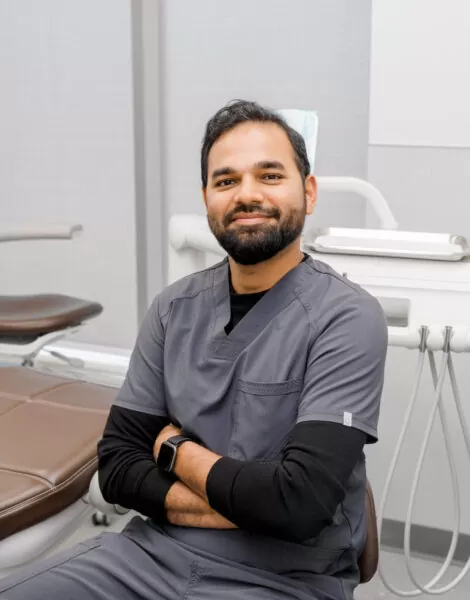
Dr. Tejas Patel
Dental Specialist
Dr. Tejas Patel is a passionate dentist dedicated to providing patient-focused care with a gentle approach. A dentistry graduate of 2012, he has been practicing in Calgary since 2017 and offers treatments including crowns, root canals, extractions, bone grafting, and TMD care. He is known for his empathetic nature and focus on educating patients for long-term oral health.
Related posts