How to Recover Quickly After a Root Canal Treatment
How to Recover Quickly After a Root Canal Treatment

Essential Tips for Faster Root Canal Recovery
- Mild soreness after root canal treatment is normal, but proper aftercare, rest, and pain management can help speed up healing and reduce discomfort.
- Soft foods like yogurt, mashed potatoes, scrambled eggs, and smoothies are recommended after a root canal to protect the temporary filling and avoid pressure on the treated tooth.
- Good oral hygiene, gentle brushing, flossing, and antibacterial mouthwash help prevent infection and support faster recovery after root canal therapy.
- Avoid chewing on the treated side, smoking, hard foods, and strenuous activities until the permanent dental crown is placed and healing is complete.
- Severe pain, swelling, fever, or a lost temporary filling may indicate complications and require immediate attention from your dentist or emergency dental clinic.
When a tooth is badly infected, a root canal can save the natural tooth structure.
While the treatment itself aims to relieve pain, the days immediately following the procedure require careful attention to ensure a swift recovery.
This guide provides practical steps and expert advice from D’Arcy Dental to help you get back to your normal routine as quickly as possible, free from discomfort and worry.
What to Expect Right After a Root Canal
The first few hours after Root Canal Treatment are the most critical.
When you leave the clinic, the anesthesia will still be active, meaning your mouth may feel numb. During this time, be careful not to chew or accidentally bite your cheek or tongue.
Once the numbing sensation wears off, it’s completely normal to experience mild soreness following root canal treatment.
This discomfort usually occurs because the tissue around the treated area is slightly inflamed, which is a natural sign that your body is healing.
A temporary filling is placed on the treated tooth after root canal treatment, and it’s important to handle this tooth gently until your permanent crown is fitted during a follow-up appointment.
Quick Recovery Checklist
To minimize downtime and prevent complications, follow this simple checklist:
- Schedule light activities for the first 24 hours.
- Wait until the numbness is completely gone before eating anything.
- Commit to eating soft, cool foods for the first few days.
- Do not chew or bite directly with the tooth that received the root canal until the permanent crown is secured.
- Take any prescribed or recommended pain medication as directed, even if the pain is mild, to stay ahead of any discomfort.
Pain Management Tips That Work
Mild to moderate pain is manageable and should subside significantly within a few days. The best approach is proactive pain management.
Over-the-Counter (OTC) Relief: Non-steroidal anti-inflammatory drugs (NSAIDs), such as ibuprofen, are often highly effective for managing mild pain and inflammation after a root canal. Take them as directed by your dentist.
Prescription Medication (If Needed): If your dentist prescribes a stronger pain reliever, use it only as directed and stop taking it once the acute pain subsides.
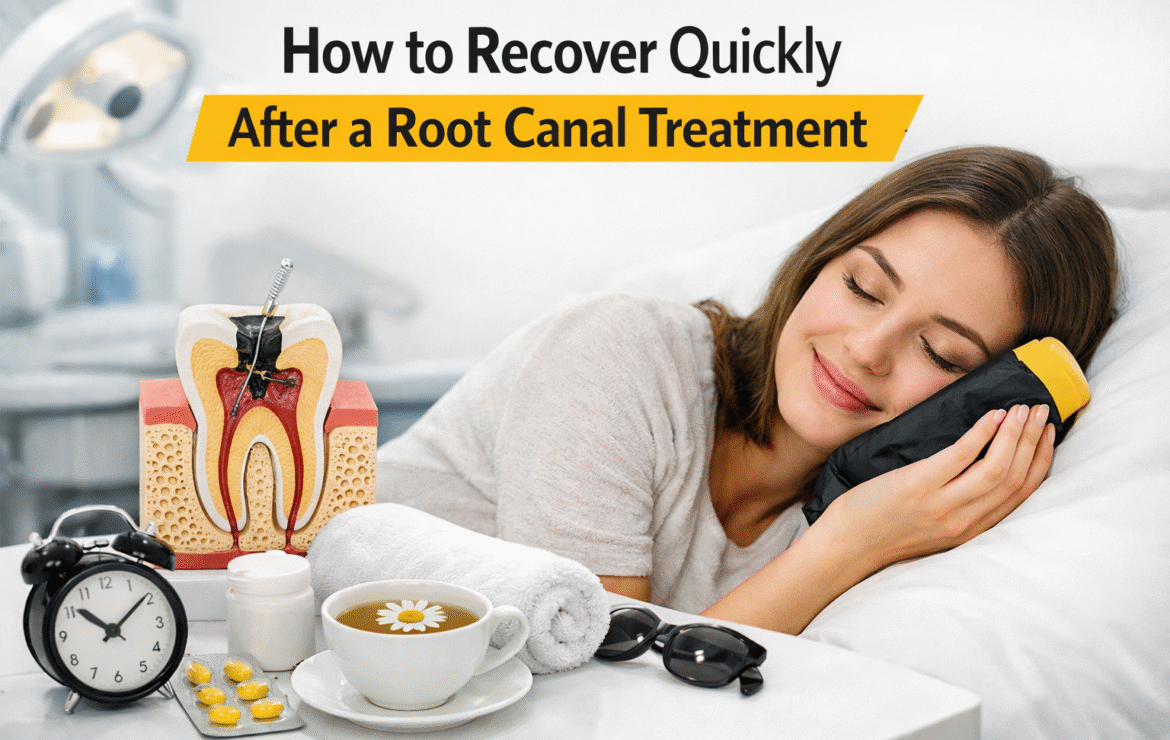
Cold Compress: To ease swelling and provide temporary relief, apply an ice pack, wrapped in a towel, to the exterior of your cheek near the location of the procedure. Apply for 10-20 minutes at a time.
Best Foods to Eat After a Root Canal
What you eat plays a crucial role in recovery.
By choosing the right foods, you minimize the risk of damaging the temporary filling and avoid unnecessary chewing force on the healing tooth.
Stick to soft, nutritious items for the first three to five days.
Go-To Soft Foods:
- Yogurt, smoothies, and milkshakes (avoid using a straw initially, as the sucking action can disturb the healing site).
- Mashed potatoes, well-cooked soft rice, and polenta.
- Soft, scrambled eggs.
- Creamy soups (ensure they are lukewarm, not piping hot).
- Well-cooked pasta, cut into small pieces.
- Tofu and soft cheeses.
Oral Care Routine During Recovery
Maintaining excellent hygiene is essential to prevent infection and promote healing.
You can and should continue your normal brushing and flossing routine.
However, be particularly gentle around the treated tooth, especially near the gum line, to avoid dislodging the temporary filling.
Using an antibacterial mouthwash, as recommended by your dental team, can also help keep the area clean and reduce bacteria.
Activity & Lifestyle Guidelines
For a quick and uncomplicated recovery, a few simple lifestyle adjustments are necessary.
Avoid smoking: Smoking severely impedes the body’s natural healing process and should be avoided entirely during recovery.
Chewing restriction: This is arguably the most important guideline. Until your permanent crown is fitted, your treated tooth is vulnerable. Do not use that side of your mouth for chewing. Trust your root canal specialist’s advice and protect the temporary restoration.
Light exercise: While strenuous exercise may be fine after the first 24-48 hours, listen to your body and avoid activities that significantly increase blood pressure, which could potentially increase swelling or bleeding in the area.
Warning Signs: When to Call Your Dentist
While quick recovery is the goal, it’s important to recognize signs that might indicate a complication requiring immediate professional attention.
Contact D’Arcy Dental for emergency dental care if you experience any of the following:
- Severe or throbbing pain: Pain that is intense, worsening after a few days, or throbbing significantly, especially when lying down.
- Swelling: Noticeable swelling inside the mouth or on the outside of your cheek that persists or gets worse.
- Allergic reaction: Hives, rash, or persistent itching (call your doctor or seek urgent care for serious reactions).
- Loss of temporary filling: If your temporary filling completely falls out.
Expert Tips for Smooth Healing
Successful root canal therapy is often determined by the final restoration.
The temporary filling protects your tooth, but the permanent crown provides it with strength and longevity.
Complete the treatment: Do not delay the follow-up appointment to receive your permanent crown. A temporary filling is not designed to withstand long-term chewing forces.
Maintain follow-up care: Your dentist may recommend a follow-up checkup to ensure the infection is completely cleared and the tooth is fully healed before placing the crown. Attending this appointment is key to long-term recovery.
If you are looking for an affordable dental clinic to get root canal treatment done, D’Arcy Dental might be the right choice for you.
Our expert team offers comprehensive oral health care services like root canals, front tooth fillings, wisdom tooth removals, crowns, etc.
Schedule an appointment with us today to get started on your oral health journey.
FAQs
Is pain normal after a root canal, and how long does it last?
Yes, it is normal to experience mild soreness or sensitivity for a few days after the procedure. This is usually due to the inflammation of the surrounding tissue. In most cases, patients feel comfortable again within three to five days. If the pain is significant or throbbing and lasts longer than a week, contact your dentist.
What foods are best to eat during root canal recovery?
Focus on a diet of soft, lukewarm foods that require little to no chewing. Excellent choices include mashed potatoes, yogurt, applesauce, smoothies, scrambled eggs, and well-cooked, soft vegetables.
How do I reduce swelling and discomfort after a root canal?
Discomfort can be effectively managed with over-the-counter anti-inflammatory medication (such as ibuprofen). Swelling can be reduced by applying a cold compress to the outside of the cheek for 10-20 minutes every 24 hours during the first 24 hours.
What should I avoid eating after a root canal treatment?
You must avoid hard, crunchy, or sticky foods, as they can easily damage or dislodge the temporary filling. This includes nuts, hard candies, popcorn, gum, and hard breads. Also, avoid chewing on the treated side until the final crown is in place.
Can I brush and floss normally after a root canal?
You can brush and floss normally after treatment. However, make sure that you are extra gentle around the treated teeth.
Dr. Tejas Patel
Dental Specialist
Dr. Tejas Patel is a passionate dentist dedicated to providing patient-focused care with a gentle approach. A dentistry graduate of 2012, he has been practicing in Calgary since 2017 and offers treatments including crowns, root canals, extractions, bone grafting, and TMD care. He is known for his empathetic nature and focus on educating patients for long-term oral health.
Related posts